Keynote Speakers
Prof. Dr. Cemil ÖZTÜRK
Marmara University, İstanbul/TÜRKİYE
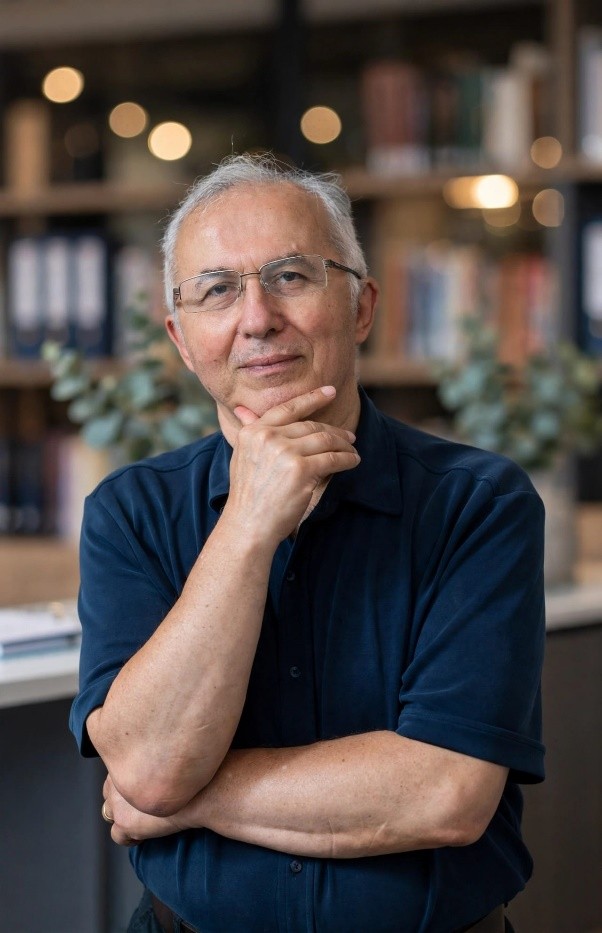
The Title of the Presentation:
The Future of Program Accreditation in Higher Education: Opportunities, Risks, and Strategic Transformation
Biodata
Prof. Dr. Cemil Öztürk earned his bachelor’s, master’s, and doctoral degrees from Marmara University. He served as a member of the Senate at Marmara University between 2008 and 2009, and as Vice Dean of the Atatürk Faculty of Education from 2002 to 2005. Author of numerous publications on the Turkish education system and teacher training, Prof. Dr. Öztürk served as the Dean of the Atatürk Faculty of Education from 2009 to 2012. Having pioneered and accelerated accreditation initiatives in teacher education in Türkiye, Prof. Dr. Cemil Öztürk currently serves as the President of the Teacher Education Programs Accreditation Board (EFAK) within EPDAD (Association for Evaluation and Accreditation of Teacher Education Programs).
Prof. Dr. Selami AYDIN
İstanbul Medeniyet University
The Title of the Presentation:
Exploring research on English as a foreign language in Türkiye: The story of twenty years
Abstract
This invited talk presents a comprehensive scientometric overview of English as a Foreign Language (EFL) research in Türkiye between 2005 and 2025. Drawing on data from the Web of Science, it examines publication trends, citation patterns, influential authors and institutions, research collaborations, and emerging thematic areas. The findings reveal substantial growth in research productivity, increasing thematic diversity, and evolving scholarly networks, while highlighting challenges related to international collaboration and underrepresented research areas. Beyond mapping the field’s development over two decades, the talk critically reflects on its strengths, limitations, and future directions. It concludes by identifying strategic priorities for fostering international and interdisciplinary collaboration, strengthening theory-driven and longitudinal research, and enhancing the contribution of EFL scholarship to educational policy and classroom practice in Türkiye.
Biodata:
Selami Aydın is a full professor of English language teaching. He has made significant contributions to applied linguistics, language teacher education, research methodology, educational technology, and positive psychology in language education. He has published extensively in national and international journals and authored numerous books and book chapters on foreign language education. His scholarly work combines theoretical, methodological, and practical perspectives, with particular emphasis on issues that shape contemporary language learning and teaching. His research focuses on positive language teaching, foreign language anxiety, educational technology, and AI in language learning and teaching.
Prof. Dr. Carol GRIFFITHS
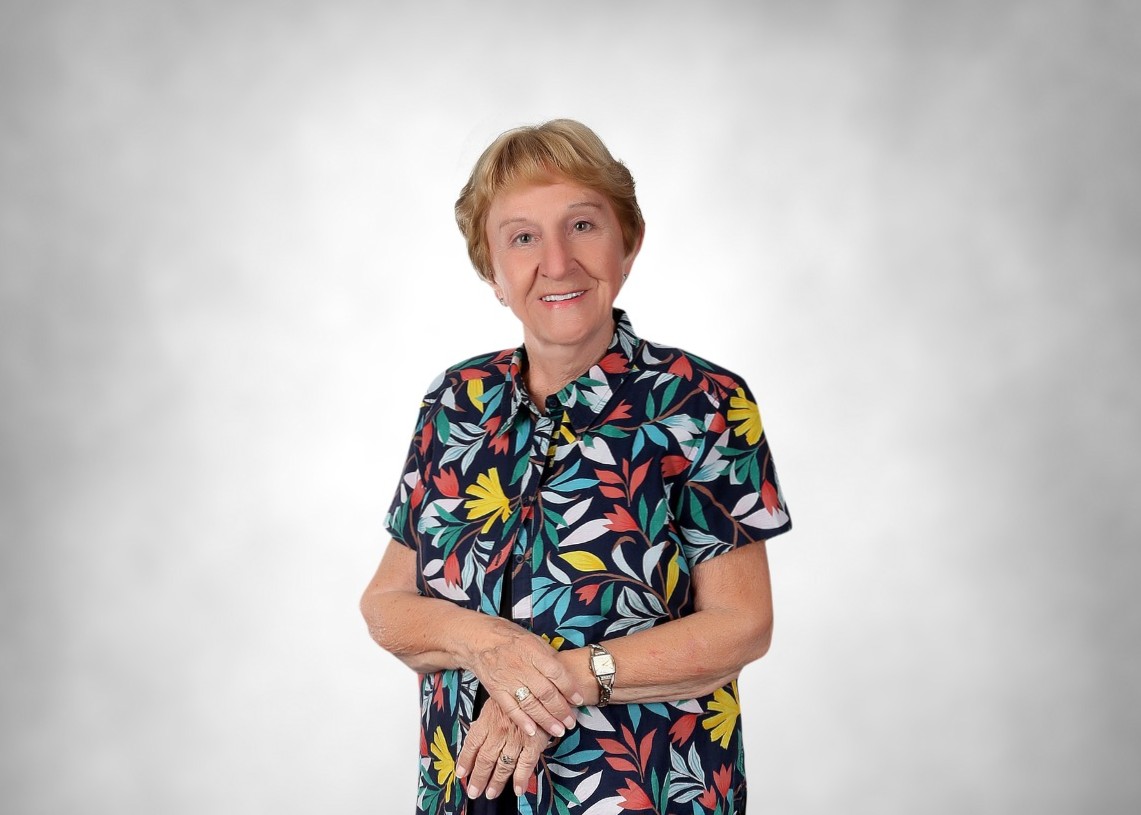
The Title of Presentation: AI and quality of learning: An action research study
Biodata:
Prof. Dr Carol Griffiths has been a teacher, manager and teacher educator of ELT for many years. She has taught in many places around the world, including New Zealand, Indonesia, Japan, China, North Korea, Turkey, UK, and North Cyprus. She has also acted as Research Fellow for the University of Leeds (UK) and Academic Visitor at the University of Auckland (NZ). She has presented at numerous conferences around the world and published widely. Learning strategies, individual differences, teacher education and support, teacher agency, EMI, action research, language intake, and using literature to learn and teach language (L3) are her major areas of research interest.
Prof. Dr. Metin BOŞNAK
Istanbul Sabahattin Zaim University
Theme of the Presentation:
“Master,” “Yes,” “No”: What Robinson Crusoe’s Lessons for Friday Teach Us About Method, Language, and Hierarchy
Abstract
This keynote lecture examines how the scene in which Robinson Crusoe teaches English to Friday has been read in English language teaching (ELT) and what that reading leaves out. Its objective is to asknot only which method the scene shows but whom the method positions. Working interpretively, it reads Keymer’s Oxford edition of Defoe’s 1719 novel (Defoe, 1719/2007), inventories every language-teaching act the narrator reports, and sets the inventory against the method labels in Richards and Rodgers (2014), Kumaravadivelu’s (1994) postmethod parameters, Derrida’s procedure of overturning and displacement (Derrida, 1981, p. 41), and postcolonial accounts of language (Fanon, 1952/1967; Ngũgĩ wa Thiong’o, 1986; Said, 1978). No learner data are used. The findings are that the lessons assign three coupled positions: civilized and savage; the teacher who owns the language and the learner who depends on it; and an intelligence that is praised and a dependence that is enforced. The first words taught are a name, “Master,” “Yes” and “No”; the first moral instruction reported is a threat of death; and the narrator reports no correction in Part One. Labels such as the Direct Method describe the conduct of the lesson and are silent on position, so that “immersion” can serve as an alibi. The scene also undoes itself: Friday’s question about the devil stops the teacher, who pretends not to hear it; the narrator says he instructed himself; and Friday applies the teacher’s
category of cannibal to the English mutineers. Yet the text contains these reversals without abandoning the hierarchy, because Friday remains “my Man” and the narrator holds the pen. It is concluded that a method label cannot show who is positioned by a lesson. For language teacher education, the lecture recommends five questions to put to any method or coursebook: who names, whose questions measure success, who translates, what is left out, and who holds the pen.
Biodata
He is a Professor of Comparative Literature and the Chair, Department of Foreign Languages, Istanbul Sabahattin Zaim University (İZÜ); also teaches in the Department of English Language and Literature. His research Interests are Comparative poetics and world literature; Ottoman-Turkish intellectual history; Islamic literary theory and Qur’anic studies; narrative theory; etymology and onomastics across Turkic, Semitic, and classical traditions; reception history; American literature and cinema.. Some of his selected publications are Comparative poetics and world literature; Ottoman-Turkish intellectual history; Islamic literary theory and Qur’anic studies; narrative theory; etymology and onomastics across Turkic, Semitic, and classical traditions; reception history; American literature and cinema. His Fellowships, Service and memberships
- Fulbright scholarship, Indiana University Bloomington, 1990
- Doctoral supervision in comparative literature; doçentlik (habilitation-level) jury evaluations
- Co-editor of the academic periodicals Kızılırmak (1992) and Academia (1995)
- Member: MLA, ACLA, ICLA, ASA, MCCA
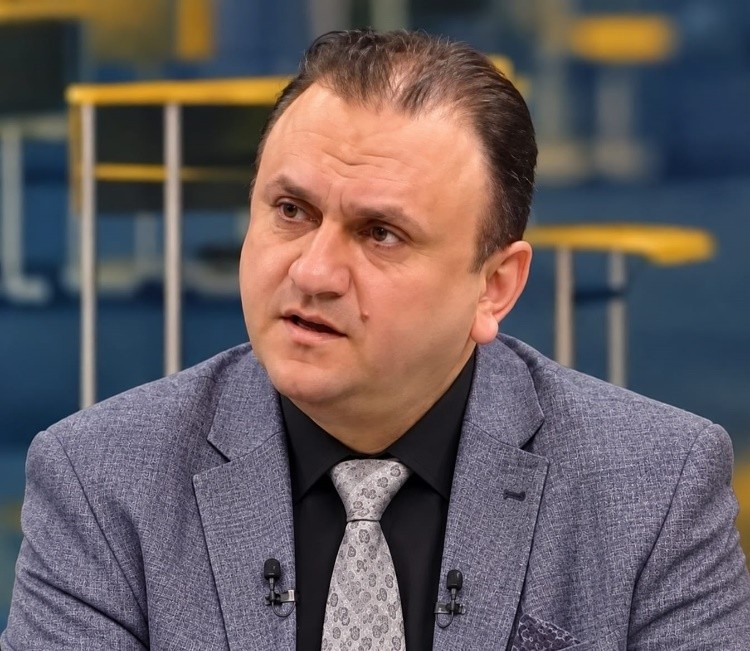
Prof. Dr. Mustafa ŞEKER
Yıldız Technical University, İstanbul/TÜRKİYE
The Title of the Presentation
Responding to the Imperatives of the Era in Higher Education and the Notion of Values Resisting Social Transformation
Biodata
Prof. Dr. Mustafa ŞEKER is an academician working in the field of educational sciences. He is a faculty member in the Department of Social Studies Education within the Department of Social Sciences and Turkish Education at the Faculty of Education, Yıldız Technical University. His academic research focuses on social studies education, history, educational policies, curricula, and social sciences. He completed his bachelor's degree in 2000 at Kastamonu University, Faculty of Education, Department of Primary Education. He earned his master's degree in 2003 and his Ph.D. in Social Studies Education in 2010 from the Graduate School of Educational Sciences at Marmara University. Starting his career as a teacher under the Ministry of National Education, Şeker taught between 2000 and 2011. Since 2011, he has been continuing his academic work at Yıldız Technical University, contributing to research, scientific publications, and postgraduate thesis supervision in the field of education. His research interests include social studies education, history, education, and social sciences. Having published works in national and international academic journals, Şeker is actively involved in postgraduate education and thesis advising alongside his scientific research. Serving as a board member of the Association for Evaluation and Accreditation of Teacher Education Programs (EPDAD), Şeker also works in the fields of enhancing the quality of educational curricula and evaluating teacher education processes.
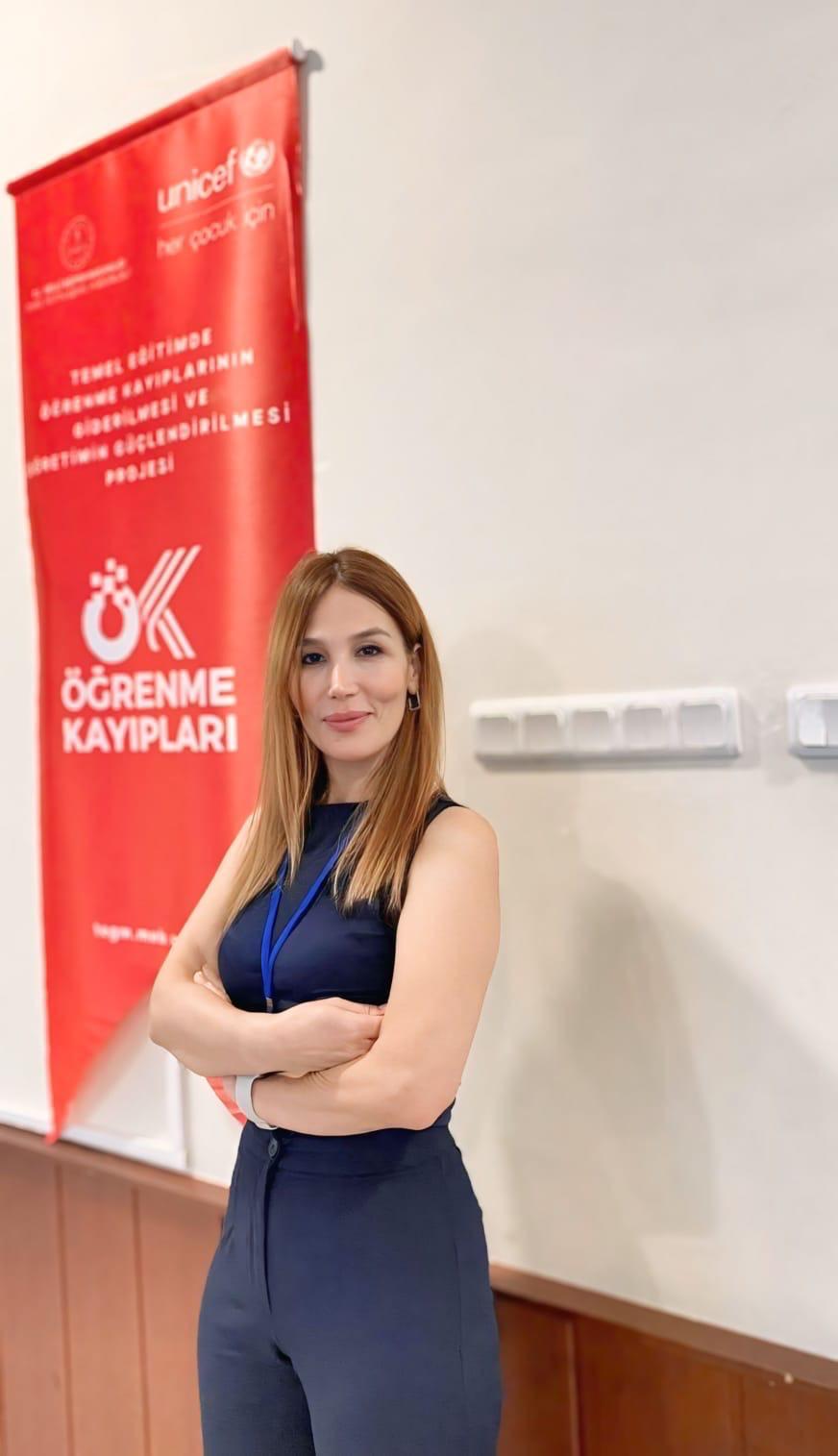
Ecem MUSLU, M.A
Educator, Ministry of National Education
The Title of the Presentation:
Peer Bullying and Safe School Ecosystem
Abstract
Safety Net is a school-based digital reporting and early intervention system designed to facilitate the early identification of peer bullying and risky behaviors in schools, enabling students to report experienced or witnessed incidents anonymously. Accessible via the school website, school-specific QR codes, and a mobile application, the system ensures that reports reach the school administration efficiently, thereby supporting early awareness and timely intervention. Its primary objective is to contribute to the creation of a preventive school climate where students do not feel compelled to remain silent, and where feelings of trust and belonging are significantly reinforced.
Keywords: Safety Net, Peer Bullying, Early Intervention, Digital Reporting System, School Climate, School Safety.
Biodata
Ecem Muslu is an educator, author, and project coordinator dedicated to advancing reading culture, strengthening peer relationships, and fostering supportive, safe school environments. Recognized as the 2025 Bursa Teacher of the Year (Provincial Representative).
Areas of Eperticse
- Reading Culture & Children’s Literature
- Peer Bullying & School Safety
- Educational Project Development & Coordination
- Digital Awareness & Social Responsibility
- Educational Content Creation & Panel Discussions
Digital Publishing
- "Okumanın Gücü" (Power of Reading) – YouTube Channel
Produces content, interviews, and projects focused on developing and promoting a culture of reading.
Publications and Writing Platforms
Neder.com
- Nirvana Social Education Portal
- Educational & Teacher Websites (Columnist / Writer)
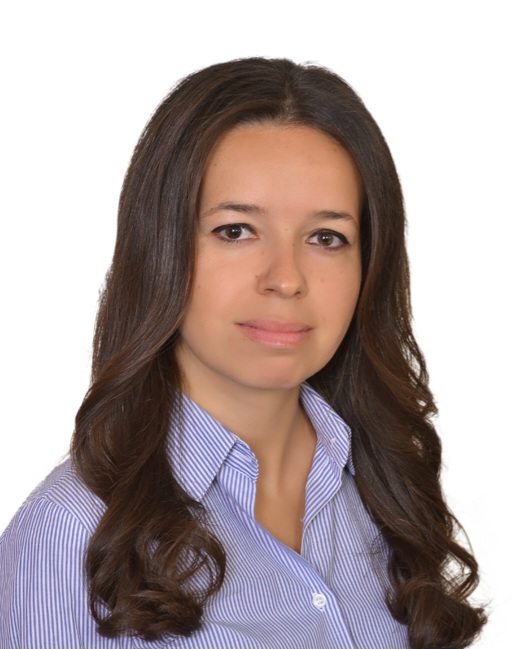
Assist. Prof. Dr. Gülümser Efeoğlu
Yıldız Technical University, İstanbul
The Title of Presentation:
Transformation in Educational Research: Paradigm Shift in Applied Linguistics
Biodata:
Dr. Gülümser Efeoğlu is an Assistant Professor of English Language Teaching at Yıldız Technical University. Her research explores English Language Teaching and Multilingualism. She holds a PhD in English Language Teaching from Boğaziçi University. She earned her M.A. degree in Linguistics at the same university and B.A. degree from English Language Education Department at Middle East Technical University. She was a post-doc researcher at Humboldt University in 2020.
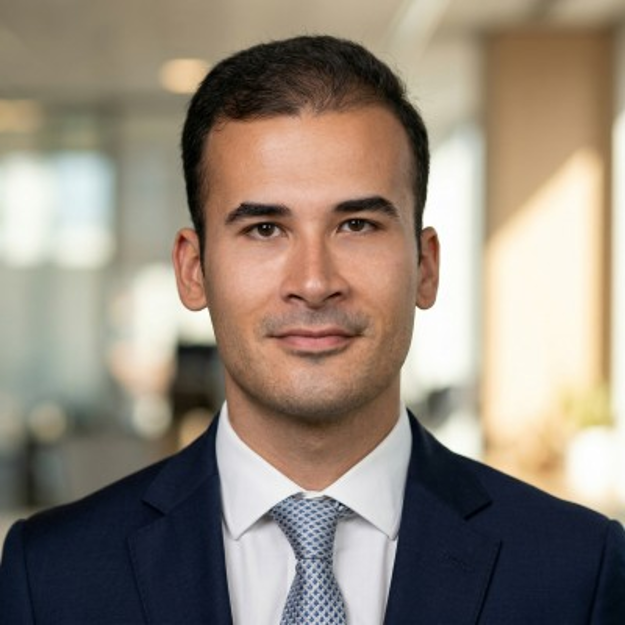
Emre Uygun, M.A
Uludağ University, Bursa/Türkiye
The Title of the Presentation:
When the Output Is Free: What Counts as Evidence of Learning in the Age of AI?
For centuries, a good output, whether an essay, a solved problem or a thesis, has served as evidence that learning has taken place. Generative artificial intelligence is the first educational technology that produces this evidence itself, instantly and at almost no cost. This keynote argues that the most consequential transformation AI brings to higher education is therefore not a change of tools but a change in what counts as proof of learning. The argument unfolds at three levels. For learners, experimental evidence shows that general-purpose AI can raise performance during practice while leaving learning unchanged, or even diminished, once the tool is removed, often without learners noticing. For institutions, AI detection is losing its footing as machine and human writing converge, and second-language writers bear the heaviest cost of false accusations; yet even a perfect detector would answer the wrong question. For researchers, the literature on AI in education relies heavily on short interventions, small samples and self-report, and risks mistaking polished outputs for robust evidence. Drawing on studies of MOOCs, virtual reality, AI literacy and academic integrity, the keynote proposes that AI did not break educational evidence but revealed how cheap it already was. Transformation is not automatically progress. The decisive question is not whether AI was used, but what was offloaded and who answers for the result. The keynote closes with suggestions for early-career researchers: measure learning after the tool leaves the room, study process rather than product, and observe what people do, not only what they report.
Keywords: generative artificial intelligence, evidence of learning, cognitive offloading, assessment validity, educational research
Biodata
Emre Uygun is a Lecturer at the School of Foreign Languages, Bursa Uludağ University, Türkiye, and a PhD candidate in English Language Teaching at Çanakkale Onsekiz Mart University, where he also completed his bachelor’s and master’s degrees. His research lies at the intersection of language education, educational technology, and teacher education, with particular interests in artificial intelligence, academic integrity, and online learning. His recent work examines how learners and prospective teachers engage with AI, how digital learning environments shape participation and achievement, and how emerging technologies challenge established educational practices. Drawing on empirical research and interdisciplinary perspectives, he is interested in the relationship between technological innovation, ethical judgment, and meaningful educational transformation.
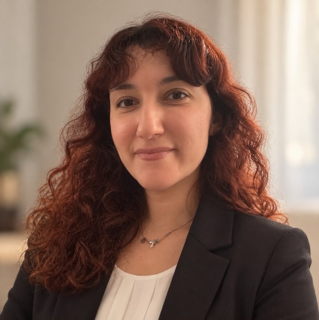
L. Gökçe GENÇ, M.A
Çanakkale Onsekiz Mart University, Türkiye
The Title of the Presentation:
The Future of Language Education… But for Whom? Rethinking Inclusion in the Age of AI
Abstract
The future of language education is increasingly imagined through artificial intelligence, adaptive technologies, and multimodal learning environments. Yet one question rarely takes centre stage: for whom is this future being designed? The promise of more personalized and accessible learning coexists with educational systems still shaped by assumptions about the “typical” learner, assumptions that can marginalize students with disabilities, neurodivergent learners, and others whose ways of communicating, participating, or demonstrating knowledge do not fit established norms.
This keynote invites a critical reconsideration of inclusion as a defining measure of educational transformation rather than a secondary concern addressed after innovation takes place. Drawing together insights from language education policy, language teacher education, neurodiversity-informed pedagogy, and digitally mediated multimodal learning, it examines how exclusion can persist across three interconnected levels: what policies acknowledge, what teachers are prepared to recognize, and what learning environments enable. Particular attention is given to the double-edged potential of artificial intelligence: its capacity to support flexible pathways to participation and expression, alongside risks associated with algorithmic bias, inaccessible design, unequal access, and the normalization of particular learner profiles.
In response, the talk advances an inclusion-first perspective on the future of language education, calling for learner variability to shape policy, teacher preparation, pedagogical design, and decisions about educational technologies from the outset. It argues that meaningful progress cannot be assessed solely through efficiency, automation, or technological novelty, but must also be judged by whose voices are heard, whose needs are anticipated, and whose participation becomes possible.
As language education moves toward an AI-rich future, the most important question may not be what our technologies can do, but whom they allow to belong.
Keywords: Inclusive language education; artificial intelligence; neurodiversity; multimodal learning
Biodata
L. Gökçe Genç is a Research Assistant in the Department of English Language Teaching at Çanakkale Onsekiz Mart University, Türkiye, where she is also pursuing her PhD in English Language Teaching. She holds a master’s degree in English Language Teaching from Sakarya University. Her academic interests span inclusive language education, language teacher education, educational technology, language policy, psycholinguistics, and educational psychology. Her research particularly focuses on neurodiversity, digital multimodal learning, artificial intelligence in education, and the ways in which educational practices and policies influence learners’ experiences and opportunities. Drawing on interdisciplinary perspectives, she seeks to explore how language education can become more inclusive, equitable, and responsive to the diverse needs of learners in an evolving educational landscape.